
Dune: Awakening in 2026: Surviving the Sands, Grind and All
Dune: Awakening blends open-world survival with brutal sandworms and political intrigue in an alternate Arrakis.
Dune: Awakening drops players into an alternate Arrakis where Paul Atreides never existed, and from that very first breath of spice-laden air, it’s clear Funcom has crafted something special. The game doesn’t just ask you to survive—it demands you earn every sunrise. As a Bene Gesserit agent navigating a world of brutal sandworms, faction intrigue, and the relentless hunt for water, the experience feels less like a checkbox list of survival mechanics and more like a living, breathing organism that’s constantly testing your limits. Two years after its launch, this open-world MMO still stands as one of the most immersive desert simulators out there, even if a few rough edges refuse to be sanded down.
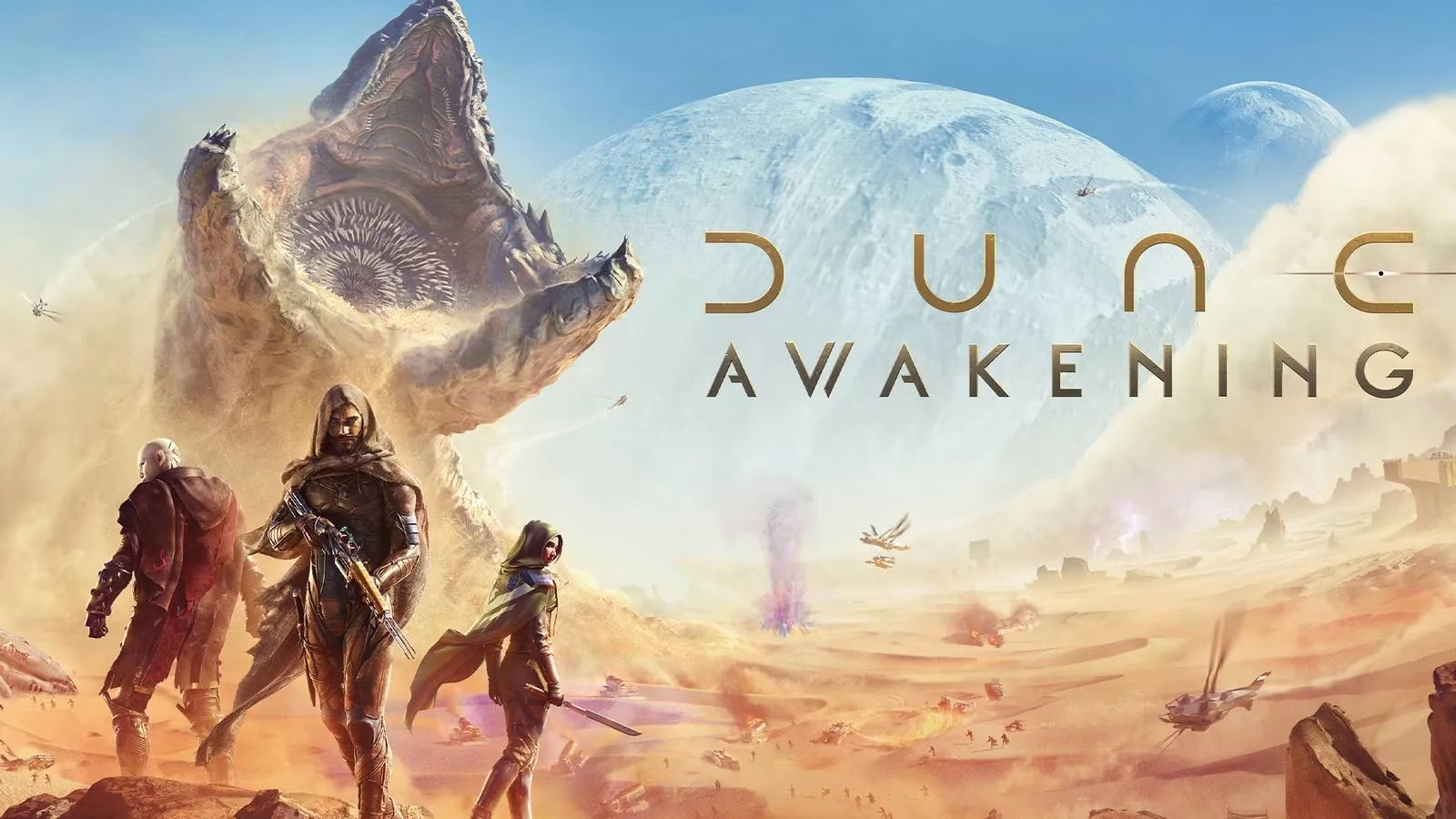
What immediately grabs you is the atmosphere. The desert doesn’t just stretch on forever—it breathes, it waits, and it definitely has a nasty sense of humor. Sandworms don’t just pop up; they announce themselves with a bone-rattling roar that sends a very clear message: “You’re not welcome on my sand.” And honestly, that’s terrifying every single time. Coriolis storms sweep in like an angry god, shredding visibility and threatening to erase hours of progress if you’re caught without cover. The genius here isn’t the scale of these hazards, but the consequences. Getting swallowed by a worm or flattened by a storm permanently destroys all the gear you’re carrying. No corpse run, no second chances—just a brutal lesson carved into your memory. It’s the kind of punishment that makes your heart pound a little faster whenever you hear the ground rumble.
Even when the world isn’t trying to kill you, it’s quietly judging your life choices. Hydration is the game’s silent, overbearing mother, constantly nagging at the edge of your consciousness. Let your water level drop too far and your max health starts shrinking until you keel over, which is... let’s be honest, a spectacularly undignified way to die in a sci‑fi epic. You’ll spend a lot of time chasing shade, looting moisture traps, and wondering if the Sunstroke mechanic was designed by a sadist. (Spoiler: yes, it was.) Stand in the sun too long and you move slower, recover stamina like a geriatric sloth, and dehydrate even faster. The only real cure is sticking to shadows or waiting for nightfall, which forces you to actually read the landscape instead of sprinting everywhere like a headless chicken. Throw in the constant wear and tear on equipment—sandbikes that can be ruined by a single storm, bases that need patching up after every weather tantrum—and you’ve got a survival loop that’s demanding without feeling unfair.
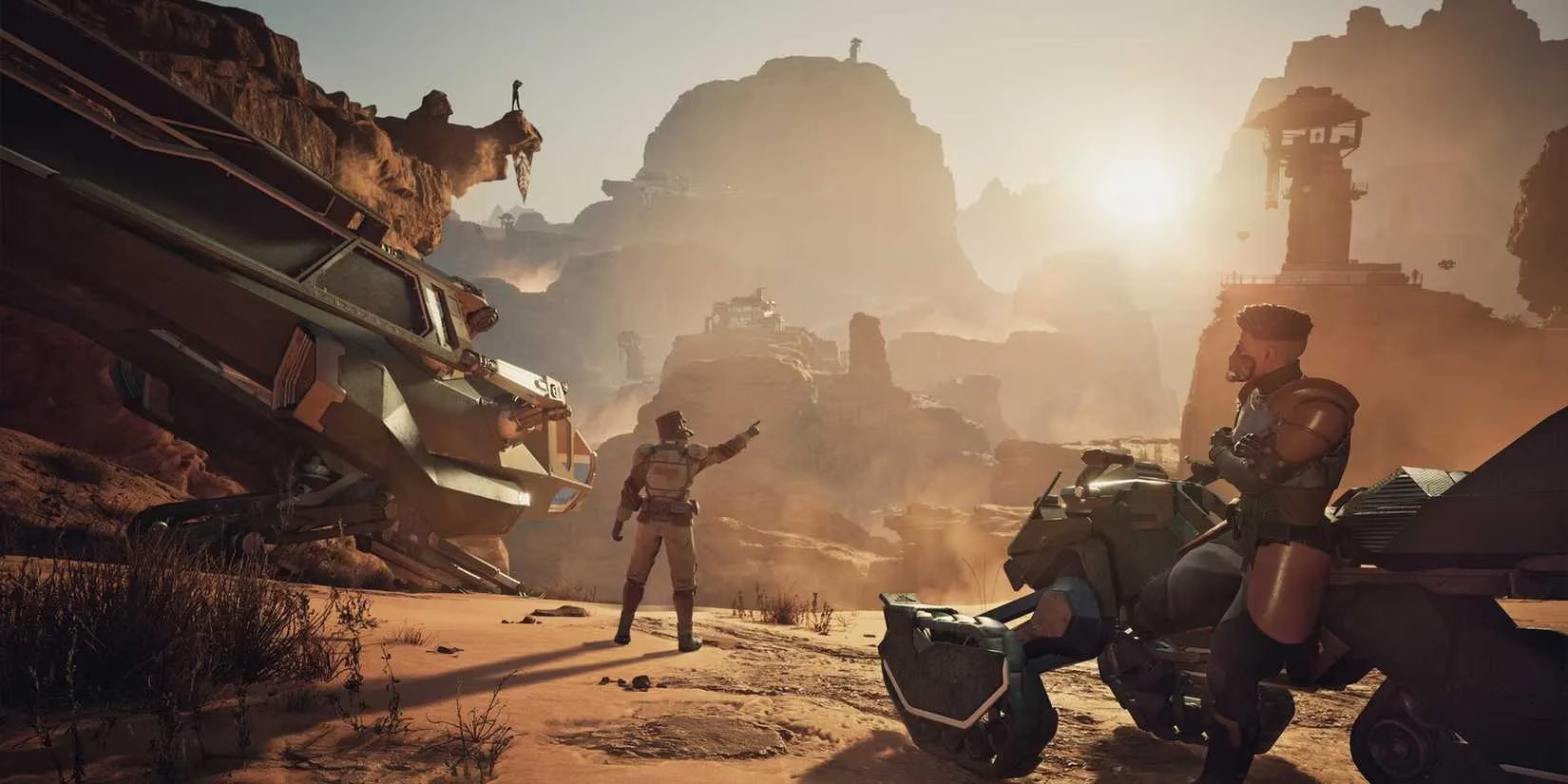
Okay, now let’s talk about the elephant in the room: the grind. Crafting starts out innocent enough, with early-game resources practically gift‑wrapped. But by the time you hit the mid-game and need rare alloys or absurd stacks of spice‑infused materials, things get real. The numbers inflate so aggressively that it feels like the game looked at traditional survival-crafting progression and said, “Cute. Let’s multiply that by five.” Solo players will feel this pain especially hard, and honestly, the grind can sometimes feel like a second job you didn’t exactly sign up for. That said, there’s a strange satisfaction to it. The world is so stunning, so meticulously crafted, that even the tenth trip to a resource node can feel like a mini‑expedition. Is it perfectly balanced? Probably not—many veteran survivors have raised an eyebrow at the sheer quantity of materials needed later on. But for longevity’s sake, Dune: Awakening seems to have chosen the “spend months earning your fun” philosophy, and to its credit, the payoff usually justifies the effort.
Where the game truly shines is in letting you become your own kind of survivor. The character creator is admirably deep, letting you sculpt a look that stands out in the sea of stillsuits, and the narrative choices—home planet, caste, mentor—aren’t just cosmetic. They influence starting skills, dialogue flavor, and subtle perks, all without spelling out the min‑max meta in neon letters. That lore‑first approach is a breath of fresh, unfiltered desert air. Base building is equally generous, offering a toolkit so polished it would make some dedicated sandbox games blush. Wall snapping, decoration placement, and structural variety give you the freedom to build a clifftop fortress, a hidden sietch, or a gaudy monument to your own spice‑driven ego. Vehicles, too, let you roll in style, whether you’re cruising a custom‑painted sandbike or clinging to a rickety buggy while a storm chews on the horizon.
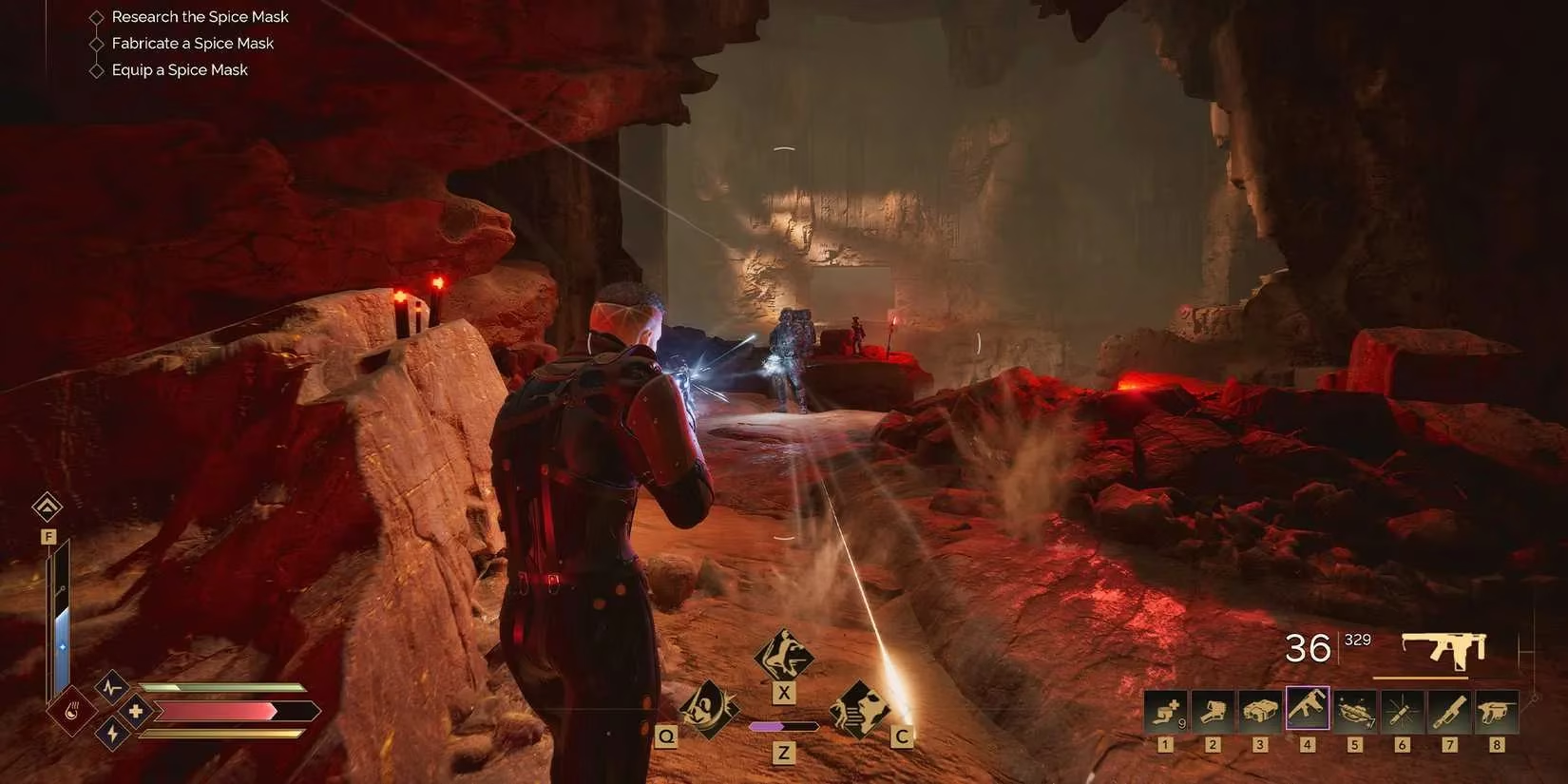
Combat, unfortunately, is the one dune that trips everyone up. Right from the tutorial, the game teaches you dodging, parrying, and a satisfying slow-blade technique designed to pierce shields—and for a moment you think, “Ah, this is a melee‑focused world, just like the books!” But then reality sets in. Most enemies prefer to plink away from range, and closing the gap without taking a faceful of laser fire feels more awkward than elegant. Melee ends up feeling like the neglected middle child, stiff and unrewarding, while ranged options clean house with far less hassle. Encounters rarely evolve into memorable duels; they’re more like speed bumps on the way to the next resource vein. The ambition is there—unlockable combat skills tied to your chosen background—but the execution lacks the fluidity and respect for varied playstyles that the rest of the game so confidently demonstrates. It’s the one area where the magic fizzles, leaving you wishing the sandworms had taught the combat designers a thing or two about impact.

Technically, Dune: Awakening is a rock. Even now in 2026, after multiple updates, the engine hums along with minimal bugs and surprisingly consistent frame rates. On modern hardware you can crank settings up and still cruise above 100 FPS without breaking a sweat. Occasional climbing jank or terrain clipping might yank you out of the immersion for a second, but a built‑in “unstuck” command usually fixes things before frustration sets in. The visual presentation—all those shimmering heat hazes and colossal sandworm silhouettes—remains a benchmark for the genre. There’s a confidence in the performance that reassures you the developers spent as much time optimizing as they did designing the next thing that might eat you.
Ultimately, Dune: Awakening is a game that knows exactly what it wants to be, and it stubbornly refuses to apologize for the parts that might scare off the fainter of heart. The world feels alive and hostile in equal measure, the faction system adds a welcome layer of political spice, and the sheer joy of carving out a personal identity on a planet that despises you is hard to overstate. Yes, the combat wobbles and the mid‑game grind can test your patience, but those imperfections are wrapped in an experience so atmospheric that they often fade into background noise. If you’re okay with a survival MMO that prioritizes immersion over convenience and demands respect for the source material, then Arrakis is waiting. Just remember to bring a hat. And a lot of water. And maybe a backup sandbike.